Top Roof Repairs Succasunna NJ Homeowners Can Count On


A roof usually gets attention only when it stops doing its job. A stain appears on the ceiling after a hard rain. A bedroom feels colder near one exterior wall. A few shingles turn up in the yard after a windy night. By the time most homeowners in Succasunna start searching for help, the problem has already moved past the stage of simple neglect and into active damage control.
That is what makes dependable roof repair work so important in Morris County. Roof systems in this part of New Jersey take a beating. Winter freeze and thaw cycles can pry apart flashing. Summer heat can age shingles faster than people expect. Wind-driven rain finds every weak seam. Snow loads can expose trouble in older framing, ventilation, and underlayment. Even a small defect can spread quickly when weather shifts from mild to severe in a matter of days.
Homeowners looking for Roof Repairs Succasunna NJ are not just trying to patch a leak. They are trying to protect insulation, drywall, framing, electrical systems, and indoor air quality. In many cases, they are also trying to avoid a much larger bill six months down the road. Good roof repair work is rarely about the visible symptom alone. It is about diagnosing where water enters, how far it travels, and whether the underlying roofing assembly still has solid years left in it.
What reliable roof repair actually looks like
The difference between a dependable repair and a temporary patch often comes down to diagnosis. Water is deceptive. It may show up in a second-floor hallway even though the entry point sits ten or twelve feet away near a chimney, valley, or plumbing vent. Homeowners sometimes assume the leak is directly overhead, and that is understandable, but roofs do not always fail in simple ways.
A proper repair starts with a thorough inspection, not guesswork. An experienced roofer looks at shingle condition, flashing details, roof penetrations, attic ventilation, decking integrity, and moisture patterns inside the attic if access is available. If the leak happened during ice buildup, the problem may involve ventilation and insulation as much as exterior roofing materials. If the leak appears only during wind-driven rain, a vulnerable flashing detail or sidewall intersection may be the real issue.
Reliable Roof Repairs should solve the cause, not just mask the symptom. Smearing sealant over exposed spots can buy a little time in an emergency, but it rarely counts as a lasting fix. Sealants https://hectorwiwq384.wordcanopy.com/posts/choosing-long-lasting-solutions-for-roof-repairs-succasunna-nj age, crack, and detach. When that is all a contractor offers, homeowners often end up paying twice, once for the patch and again for the actual repair.
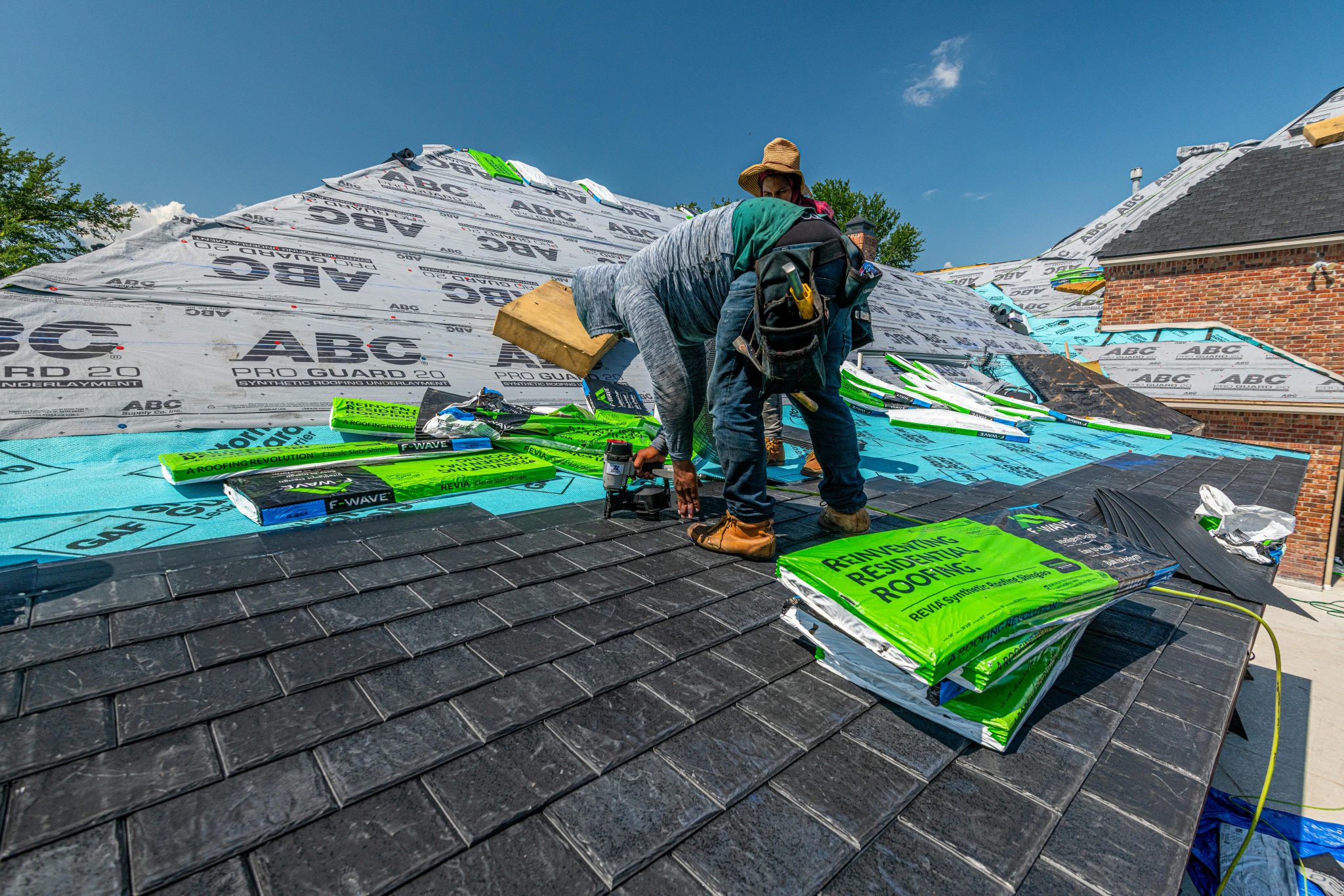
In practice, solid repair work usually involves replacing damaged shingles, removing and reinstalling flashing correctly, sealing penetrations with compatible materials, and checking nearby areas that may be close to failure. If roof decking has softened from water intrusion, that should be addressed too. Covering rot is not repair work. It is postponement.
The roof problems Succasunna homes face most often
Succasunna has a mix of housing ages and roof styles, which means no single problem dominates every job. Still, some repair issues come up again and again.
Older asphalt shingle roofs often develop trouble around pipe boots, chimneys, valleys, and skylights before the main field of shingles fully wears out. The shingles may still have some life left, but the accessories and transition points fail first. That can be frustrating for homeowners because the roof does not look terrible from the street, yet water is finding a path inside.
Storm damage is another common issue. Not every storm leaves dramatic, obvious destruction. Sometimes the damage is subtle. A few lifted tabs, a torn shingle edge, displaced ridge cap pieces, or loosened flashing can create enough exposure for repeated leaks. Those smaller failures are easy to miss until a rain event lines up with the right wind direction.
Winter weather creates its own set of repair calls. Ice dams are especially rough on roofs with uneven attic temperatures. Warm air escaping into the attic melts snow from below. The water runs down to colder eaves and refreezes, creating a barrier that pushes water back under shingles. When that happens, the roof itself may not be the only culprit. Attic insulation, air sealing, and ventilation often need attention as well.
Then there are the repair calls caused by age rather than weather. Granule loss, brittle shingles, exposed nail heads, shrinking seal strips, and deteriorated flashing sealants all tend to show up over time. These are not dramatic failures, but they matter. A roof rarely goes from perfect to leaking overnight. Most roofs provide plenty of warning if someone knows how to read the signs.
Why local conditions matter in repair decisions
Roofing advice that sounds reasonable in one climate can be a poor fit in another. That is one reason local experience matters when evaluating Roof Repairs Succasunna NJ homeowners can trust. New Jersey weather demands repairs that hold up through moisture, temperature swings, and changing seasonal loads.
For example, a quick sealant fix might survive for a while in a dry climate. In a region with regular freeze and thaw movement, that same fix may split sooner than expected. Flashing details that look acceptable during a warm inspection can open up under winter contraction. Moss and debris buildup, especially in shaded sections, can also trap moisture and accelerate deterioration.
Tree coverage is another local factor. Many suburban lots in and around Succasunna have mature trees, which is great for shade and curb appeal, but not always great for roofs. Branches can scrape shingles, drop debris into valleys and gutters, and keep sections of the roof damp longer after rain. That prolonged moisture exposure can shorten material life and make certain areas more vulnerable to leaks.
Roof slope matters too. A steep roof sheds water fast, but it is more exposed to wind uplift at edges and ridges. A lower-slope section, even on an otherwise conventional home, may require different materials or repair methods to stay watertight. Homeowners are often surprised to learn that a leak over a front room addition may have little to do with the main roof and everything to do with a low-slope tie-in that needs a different approach.
The warning signs homeowners should not ignore
Many expensive repairs begin as affordable ones. The trouble is that people wait, either because the leak seems minor or because the stain dries and appears to go away. Water does not work that way. Once it gets into the system, it can damage wood, flatten insulation, stain finishes, and create conditions for mold growth long before a ceiling actually drips.
Watch for clues that do not look dramatic on their own. A musty attic smell, bubbling paint near the top of an exterior wall, shingle debris in gutters, dark streaks near flashing, and drafts near upper ceilings can all point to developing roof problems. In winter, inconsistent snow melt patterns can also reveal attic heat loss and trouble spots.
Inside the house, the timing of a stain matters. If a mark appears after wind-driven rain but not after a gentle shower, that often points to flashing or sidewall vulnerability. If it appears after snow begins to melt, ice damming or ventilation issues may be involved. These patterns help narrow down the cause, and they are worth noting when you call for service.
One practical habit that saves homeowners money is taking a quick walk around the property after major weather events. You do not need to climb onto the roof. Just look for displaced shingles, bent gutters, debris impact, or unusual material in the yard. Spotting changes early can turn a large repair into a manageable one.
Repair or replacement, the judgment call that matters
One of the hardest conversations in roofing is whether a roof should be repaired or replaced. Homeowners deserve a clear answer, but the honest answer is not always simple.
A good contractor does not recommend replacement just because a roof is older. Plenty of roofs in the later years of their service life still justify targeted repair if the problem is isolated and the surrounding materials remain sound. On the other hand, repeated patching on a roof near the end of its life can waste money if failures are starting to occur in multiple areas.
A useful way to think about it is through pattern and remaining service value. If the roof has one leak around a chimney and the rest of the system is in decent condition, a focused repair often makes sense. If the roof has widespread shingle brittleness, repeated leaks at different locations, soft decking, and poor ventilation, that points toward replacement as the more rational investment.
This is where experience really shows. A contractor who understands repair work can explain not just what is broken, but what is likely to fail next. That perspective helps homeowners avoid two bad outcomes, overspending on a full replacement they do not yet need, or spending several thousand dollars on repairs that buy only a short amount of time.
What happens during a professional roof repair visit
Homeowners are often unsure what a competent repair appointment should include. The answer varies by issue, but there are a few signs of a serious process.
A thorough visit usually begins with questions. When did the leak start? Does it happen only in certain storms? Has the home had prior roofing work, chimney work, siding changes, or gutter modifications? That history matters. Leaks often appear after unrelated exterior work disturbs a flashing detail or transitions between materials.
The exterior inspection should focus not only on the obvious leak area but also on nearby roof features. Valleys, vent pipes, skylights, step flashing, counter flashing, ridge vents, exposed fasteners, and gutter conditions all play into performance. If attic access exists, checking the underside of the roof deck can provide strong clues about how long the problem has been active and whether moisture is concentrated or widespread.
Once the issue is identified, the repair should be explained in plain language. That means what materials need removal, what gets replaced, whether decking is affected, and how the repaired area will integrate with the existing roof. Homeowners should not have to accept vague statements like “we’ll seal it up.” A detailed explanation is a good sign. So is candor about limitations, especially on older roofs where matching shingles or predicting future failures can be difficult.
Cleanup matters too. Good roofers leave the property in usable condition, protect landscaping when possible, and remove debris and nails. It sounds basic, but it says a lot about workmanship and professionalism.
Small repairs that often prevent major expense
Not every valuable roof repair is dramatic. Some of the best money homeowners spend goes toward relatively modest work done at the right moment. Replacing cracked pipe boots, resecuring lifted flashing, correcting a vulnerable valley detail, or replacing a handful of storm-damaged shingles can prevent interior damage that costs far more than the roof repair itself.
I have seen homeowners spend hundreds on paint and ceiling touch-ups before addressing the actual roof issue. Within one season, the stain returns because the source was never fixed. I have also seen a simple repair around a vent stack stop a recurring leak that had been misdiagnosed twice. Roofing problems reward careful observation, not assumptions.
Another common scenario involves gutters. While gutters are not the roof, poorly draining gutters and clogged downspouts can contribute to fascia rot, ice issues, and water backup along eaves. Sometimes a roof leak complaint turns out to be a drainage management issue at the roof edge. A contractor who understands the full water path will catch that.
How to tell if a roofing contractor is worth trusting
The roof repair market attracts both highly skilled tradespeople and quick-fix operators. For homeowners, the challenge is separating one from the other before work begins.
Look for specificity. Good contractors describe the problem clearly and outline the repair in understandable terms. They are comfortable discussing flashing, underlayment, decking, and why the leak appears where it does. They do not rely on scare tactics, and they do not pretend every roof issue demands full replacement.
It also helps when a contractor has experience with repair work specifically. Some companies prefer replacements and treat repairs as an inconvenience. That mindset shows. Repair work requires patience, diagnostic ability, and attention to details that cannot be rushed.
Here are a few good questions to ask before approving work:
- What is the likely source of the leak, and how confident are you in that diagnosis?
- Will you be replacing materials or mainly applying sealant?
- Is there any sign of decking or attic moisture damage that should be addressed now?
- How much useful life do you think this roof has after the repair?
- Are there nearby areas that are not leaking yet but should be monitored?
Those questions usually tell you a lot. A trustworthy professional will answer directly, including where uncertainty exists. That honesty matters more than false certainty.
Cost expectations and the real value of timely repairs
Roof repair pricing varies widely because the category includes everything from a straightforward shingle replacement to complex leak tracing around masonry, skylights, or low-slope transitions. Access, roof height, pitch, material type, and the extent of hidden damage all influence cost.
That said, homeowners should focus less on finding the lowest number and more on understanding the scope. A very cheap quote often means the contractor plans to apply sealant, swap a visible shingle or two, and move on. Sometimes that is enough. Often it is not. A higher quote may reflect removal and replacement of flashing, new underlayment in the affected area, decking replacement, and more labor-intensive work that actually solves the issue.
The true cost of delay is usually larger than the repair itself. A leak that saturates insulation reduces energy efficiency. Moisture in framing can linger long after a storm. Repeated wetting can damage drywall, trim, flooring, and even stored belongings. Once interior repairs enter the picture, the budget changes quickly.
For that reason, prompt Roof Repairs are often one of the most cost-effective maintenance decisions a homeowner can make. Even when the roof is older, strategic repair can protect the home while buying time to plan a future replacement on your terms rather than during an emergency.
Seasonal timing in Succasunna, and when to call fast
Roof problems do not always arrive at convenient times. Some of the busiest repair periods in Succasunna follow wind events, heavy rains, and winter weather swings. Spring often reveals damage that began during the colder months. Fall is a smart time for inspections because it allows issues to be corrected before snow and ice complicate them.
Still, some situations call for immediate attention no matter the season. Active interior dripping, visible sagging, missing sections of roofing, flashing pulled away from a chimney or wall, and storm impact from limbs or debris should be treated as urgent. Even if permanent repairs need to wait for weather conditions to improve, temporary protection can limit damage.
For less urgent cases, timing still matters. A small issue identified in mild weather is usually easier and less expensive to repair than the same issue after months of exposure. Roofing problems tend to move in one direction, toward greater cost and wider damage.
Why homeowners remember the repairs they can count on
People rarely rave about a roof repair because it was exciting. They remember it because it ended the stress. The stain stopped spreading. The attic stayed dry through the next storm. The contractor explained the issue without drama, repaired it cleanly, and left the homeowner with confidence instead of uncertainty.
That is really what homeowners are looking for when they search for Roof Repairs Succasunna NJ. They want craftsmanship, clear judgment, and repairs that hold up to local weather. They want someone who understands that a home is not just a structure, but a place where small failures feel personal and urgent.
The best roof repair work is often invisible once it is done. No fanfare, no gimmicks, just a roof doing its job again. For a homeowner, that kind of reliability is worth a lot.
Royalty Exteriors
Address: 151 NJ-10 Ste 103A, Succasunna, NJ 07876
Phone number: +19733337234
FAQ About Roof Repairs Succasunna NJ
How much should I pay for roof repairs?
Most homeowners pay an average of $900 to $1,200 for roof repairs, with typical projects ranging from $150 to $3,000+ depending on the severity of the damage.
What are the most common roof repairs?
The most common roof repair is fixing water leaks by replacing damaged, cracked, or missing asphalt shingles and sealing compromised flashing.
Does homeowners insurance pay for roof repairs?
Homeowners insurance pays for roof repairs only if the damage is sudden and accidental, such as from a storm, hail, or a falling tree.