Storm Recovery Starts With Roof Repairs Succasunna NJ

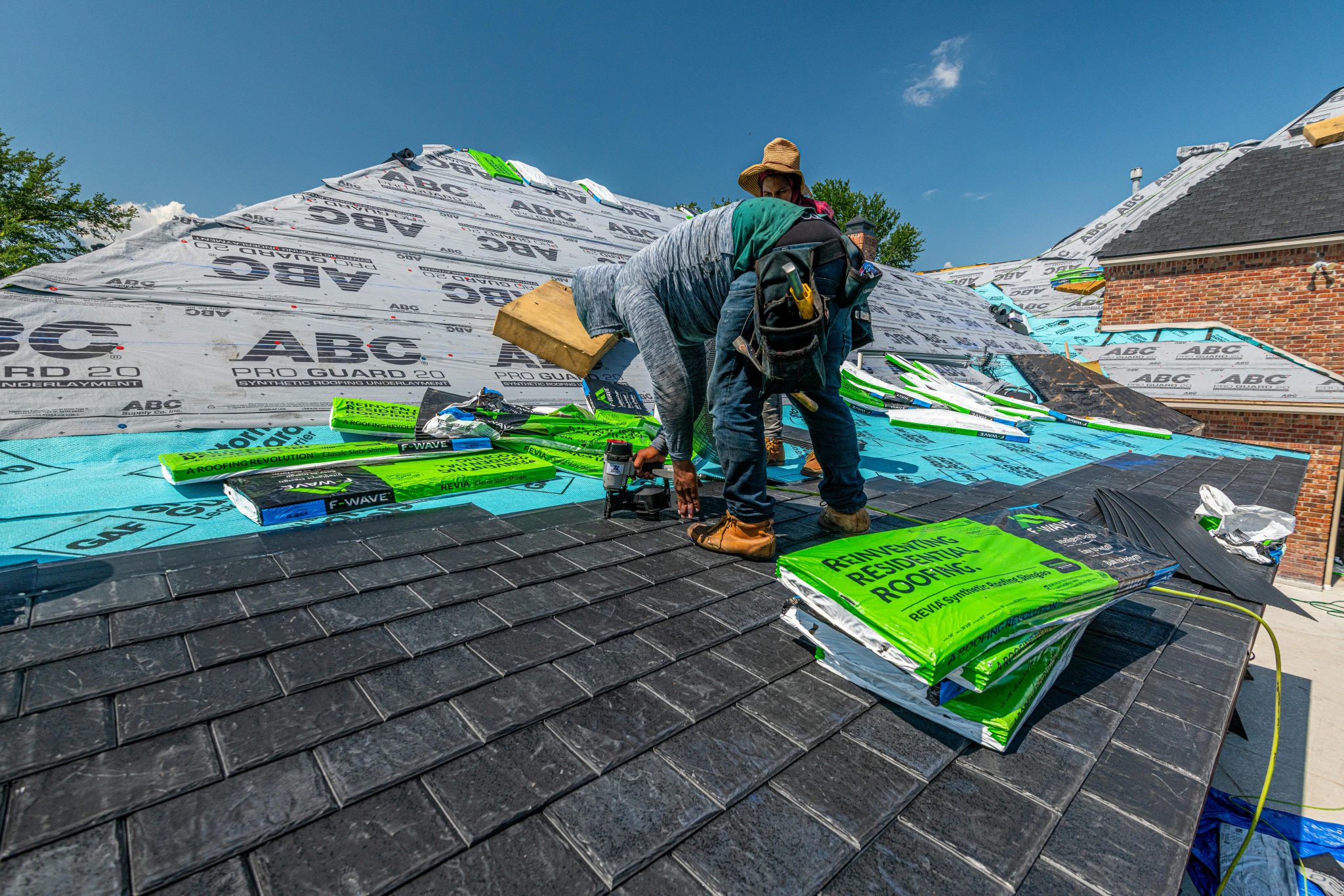
When a strong storm rolls through Succasunna, the damage rarely looks dramatic from the street. A few shingles may be missing. A flashing joint may have lifted by half an inch. Gutters can seem intact even when the fasteners have pulled loose and the pitch is wrong. Yet those smaller failures are often what allow water to enter the roof system, soak insulation, stain ceilings, and start the slow, expensive cycle of rot and mold.
That is why storm recovery starts at the top of the house. Before drywall is patched, before paint is chosen, before interior flooring is replaced, the roof has to be made sound again. In practice, the first meaningful step after a wind event, a heavy rain, or a winter ice problem is not cosmetic cleanup. It is a careful roof assessment, followed by prompt, well-scoped repairs.
Homeowners looking for Roof Repairs Succasunna NJ services often call only after a leak reaches the living room or bedroom. By then, the roof problem has already moved past the outer surface and into the structure below. A roof can fail quietly for days or weeks before interior evidence appears. That delay is what makes quick action so important after a storm, even when the house looks mostly fine from the ground.
The kind of storm damage that hides in plain sight
In Morris County, roofs take a beating from more than one direction. Summer storms bring wind-driven rain and gusts that can peel back shingles at edges and ridges. Winter adds freeze-thaw cycles, ice damming, and the weight of wet snow. Spring and fall often expose roofs that were already aging and only needed one hard weather event to cross from worn to vulnerable.
Not all storm damage creates an obvious hole. In fact, a large share of repair work involves conditions that are easy to miss without getting onto the roof. Wind can break the seal strip on asphalt shingles without tearing them off. Once that bond is gone, the shingle may flutter in the next gust, crack around the nail line, and eventually detach. Hail may bruise shingle mats in a way that shortens life span even when the granule loss seems minor. Flashing around chimneys, vents, and skylights can bend just enough to admit water during driven rain but remain leak-free in ordinary weather, which makes the problem seem to disappear until the next storm.
That pattern confuses many homeowners. They think, reasonably enough, that if the leak stopped, the roof must have dried out and recovered. Roof systems do not work that way. Water entry tends to be episodic. It shows up under the same conditions that created the opening in the first place: a certain wind direction, a particular volume of rain, an ice buildup at the eaves, or a backup caused by clogged gutters. A quiet week after the storm is not proof that the problem is gone. Often it only means the weather has not tested that weak point again.
Why fast roof repairs matter more than most people expect
Timing changes the size of the job. A repair made within a few days of storm damage can be straightforward: replace a section of shingles, reseal or replace flashing, resecure exposed fasteners, correct a puncture, or shore up an area where underlayment is compromised. Wait a month, and that same repair may also involve wet sheathing, damaged fascia, insulation replacement, ceiling work, and microbial remediation in enclosed spaces.
I have seen this progression many times. A homeowner notices a water spot after a driving storm, puts a bucket under it, and decides to monitor the situation. The stain dries. Life gets busy. Then a second storm arrives, water tracks down a rafter bay, saturates insulation, and reaches an exterior wall cavity. Now the visible stain is still small, but the hidden repair scope has multiplied. The roofing work itself may still be modest, yet the total restoration bill is no longer modest at all.
Prompt Roof Repairs are also about preserving options. When a problem is caught early, a repair can often target a specific field area or roof penetration without disturbing large sections of otherwise serviceable roofing. Once moisture spreads and decking softens, a contractor may need to open a much larger area to restore structural integrity and ensure the repair ties properly into sound materials.
There is another reason speed matters in Succasunna. Seasonal weather can turn a manageable defect into a serious problem quickly. A lifted shingle in mild weather may seem harmless, but once temperatures drop and ice forms at the eaves, water can back up beneath surrounding courses. A small flashing gap around a vent may only leak during heavy rain in September, then become a regular water path under snowmelt in January.
What a proper post-storm roof inspection should look for
A useful roof inspection is not just a glance at missing shingles. It is a disciplined review of the entire water-shedding system and the components that support it. That includes the roof covering, underlayment condition where visible, flashing details, drip edge, valleys, vents, ridge caps, gutters, soffits, fascia, chimney intersections, and attic signs of moisture entry.
A good inspector also pays attention to pattern, not just isolated damage. If shingles on one slope show creasing and uplift along a consistent exposure line, that points to wind action and bond failure. If granule loss is concentrated below overhanging branches, debris impact may be part of the story. If leaks appear near a chimney but the masonry itself is deteriorated, then the roof repair may need to coordinate with chimney work rather than treat flashing alone as the sole culprit.
Inside the attic, the signs can be subtle. Darkened wood, rusted nail tips, compressed insulation, and faint staining near penetrations often tell the story before active dripping begins. On houses where ventilation is weak, condensation can mimic a roof leak, especially during cold periods. Distinguishing between those conditions matters, because the repair approach is different. Replacing shingles will not solve attic moisture caused by inadequate airflow, and adding vents will not fix flashing that has failed around a stack boot.
The first 24 hours after a storm
The most useful thing a homeowner can do right away is document and stabilize. Safety comes first. If power lines are down, tree limbs are resting on the roof, or the ceiling is sagging with water, the scene needs to be treated as hazardous. After that, clear photos from the ground and from interior leak points help establish a timeline and support any insurance discussion. Temporary containment inside the house can limit secondary damage, but it should not become a substitute for actual repairs.
These are the steps worth taking immediately after a storm:
- Check the attic and upper ceilings for active water, staining, or damp insulation.
- Photograph visible roof, gutter, siding, and interior damage before cleanup changes the scene.
- Arrange for prompt professional inspection, especially if wind or hail was severe.
- Use temporary protective measures only if they can be done safely and without climbing onto a wet roof.
- Keep records of weather dates, contractor visits, and any emergency mitigation costs.
That short window often determines whether the repair remains localized or expands into a broader restoration job. Even if there is no active leak, evidence of missing shingles, displaced flashing, or impact damage justifies attention.
Common storm repair scenarios in Succasunna homes
The most frequent Roof Repairs in this area tend to fall into a few recurring categories, though each house has its quirks.
Asphalt shingle blow-offs are common after strong winds, especially on older roofs where adhesive strips have weakened over time. The visible issue might be six missing shingles along a rake edge, but the real concern is what happened to the adjacent shingles when the wind got under them. If they creased or cracked, they may fail soon even if they are still in place.
Flashing failures around chimneys and roof penetrations cause a large percentage of storm-related leaks. Water almost always looks for a joint, and storms expose every weak joint on the roof. Counterflashing that has lifted, sealant that has aged out, or step flashing that was installed incorrectly can all let water in under heavy weather conditions.
Valley damage is another repeat problem. Valleys handle concentrated water flow, so any disruption there matters quickly. Debris from a storm can trap runoff, wear through exposed materials, or direct water sideways under roofing courses. A valley repair done well has to account for water volume, not just surface appearance.
Gutters are often dismissed as separate from the roof, but they are tied to roof performance. A detached section of gutter or a downspout blockage can cause water to overflow back against fascia and lower roof edges. During freeze-thaw cycles, that overflow can feed ice buildup and push water beneath shingles. In those cases, the roof problem and drainage problem have to be solved together.
Then there are the edge cases that trip people up. A skylight may not be leaking through the unit at all, but through surrounding flashing or fastener penetrations. A ceiling stain near a bathroom fan may come from roof damage, attic condensation, or duct disconnection. A stain at an exterior https://charlientfq967.zenbloomer.com/posts/seasonal-checklist-for-roof-repairs-succasunna-nj-homes-need wall corner can trace back to roof runoff, siding failure, or a gutter end cap. Experienced diagnosis matters because storm recovery is expensive enough without repairing the wrong thing first.
Repair or replacement, making the right call
After a storm, some homeowners fear that any roof damage automatically means full replacement. Others assume every issue can be patched indefinitely. Neither view holds up well in the field.
A targeted repair is often the right choice when the roof is generally sound, the damaged area is limited, matching materials are available or close enough, and the substrate beneath remains solid. In those cases, a well-executed repair can restore performance and preserve useful roof life. This is especially true when the damage is concentrated at flashing points, isolated shingle sections, or a single slope affected by wind exposure.
Replacement becomes more likely when the roof was already nearing the end of its service life, when storm damage is widespread across multiple slopes, when brittle shingles cannot be lifted without breaking, or when the decking and moisture barrier have been compromised across a larger area. The same logic applies when repeated repairs are stacking up on a roof that has simply aged past the point of dependable service.
The right answer is not philosophical. It is based on condition, age, extent of damage, material compatibility, and cost over time. Spending a few thousand dollars on repairs can make sense on a ten-year-old roof. Spending that same amount every year on a twenty-five-year-old roof usually does not.
Insurance questions homeowners often face
Storm claims are rarely as straightforward as people hope. Coverage depends on the policy, the cause of loss, documentation, age, and whether the damage is sudden versus the result of deferred maintenance. A leak discovered after a storm may still be denied if the insurer decides the roof had pre-existing wear that should have been addressed earlier.
That does not mean a homeowner should avoid reporting legitimate storm damage. It means the roof should be evaluated carefully and documented well. Photos, date-stamped notes, and a clear description of what changed after the storm can help. So can understanding the difference between emergency mitigation and permanent repair. Tarping or temporary sealing may be necessary to prevent more damage, but those stopgaps should transition to a permanent fix as soon as practical.
Homeowners should also be cautious about dramatic promises made right after severe weather. After major storms, unsolicited door-to-door pitches tend to increase. Some contractors do excellent emergency response work. Others rely on urgency and confusion. A professional roof repair process should include a clear scope of work, explanation of materials, realistic timing, and a discussion of what is known versus what may only become visible after opening the affected area.
What separates durable Roof Repairs from quick patches
A real repair restores the system. A patch hides the symptom for a little while.
The difference usually comes down to diagnosis, material handling, and attention to surrounding components. If a leak occurred because water entered at flashing and traveled downslope under shingles, replacing only the visibly wet shingles is not enough. If wind damage loosened a field area, spot-sealing one tab misses the wider loss of adhesion. If decking has softened around a vent, new shingles over weak wood do not solve the problem.
Strong roof repair work tends to share a few traits:
| What durable repairs include | Why it matters | | --- | --- | | Removal of compromised materials beyond the obvious stain line | Hidden moisture often extends farther than visible damage | | Inspection of adjacent shingles and flashing | Storm damage rarely affects only one exact spot | | Matching materials as closely as practical | Preserves performance and appearance | | Attention to ventilation and drainage if they contributed | Stops the same failure from repeating | | Clean tie-in details at ridges, valleys, and penetrations | These are common leak points under severe weather |
This is where experience shows. The best repairs are not the ones that look dramatic on day one. They are the ones that survive the next hard rain without anyone thinking about them.
Timing roof work in the real world
Homeowners often ask whether repairs can wait for warmer weather or a less busy season. Sometimes they can, but only after the roof has been stabilized and only when the defect is genuinely low risk. A lifted shingle on a protected slope in dry weather may allow for scheduling flexibility. Active leaks, valley damage, exposed underlayment, punctures, and flashing failures near chimneys or skylights usually do not.
Weather also affects repair quality. Asphalt shingles become more brittle in cold temperatures, sealants cure differently depending on conditions, and wet roof surfaces create safety and workmanship challenges. That does not mean winter repairs cannot be done in New Jersey. They can, and often must. It means the repair plan should reflect the season. Temporary dry-in measures may be appropriate until conditions allow the most durable final work, especially after emergency storm events.
Older homes and tricky rooflines in Succasunna
Succasunna has a mix of home ages and roof styles, and that matters. Simpler gable roofs are easier to inspect and repair than complex designs with multiple valleys, dormers, additions, and transitions between old and newer sections. Older homes may have layers of past work that complicate current storm recovery. A leak near an addition, for example, can involve original framing, newer flashing details, and drainage changes that were introduced years after the house was built.
That is why storm damage diagnosis on older homes should not be rushed. Water follows gravity, but not always in a straight vertical line. It can enter high, travel along underlayment, framing members, or chimney surfaces, and show up several feet away from the actual failure point. A contractor who only looks at the ceiling stain may miss the path entirely.
Material availability can also be an issue. Matching older shingle profiles or faded colors is not always possible, and repair decisions have to account for that. Function comes first, of course, but homeowners appreciate honest conversation about appearance, blend lines, and the practical limits of a patch on an aging roof.
A note on ventilation, insulation, and why some “storm leaks” keep coming back
A roof repair sometimes exposes broader roof system problems that existed before the storm. Poor attic ventilation can overheat shingles in summer, shorten their service life, and create winter condensation issues that resemble leaks. Uneven insulation can contribute to snowmelt patterns that feed ice dams at the eaves. Blocked soffit intake, oversized exhaust, or disconnected bath fans can all leave moisture where it does not belong.
Storms are often the event that reveals those weaknesses, not the sole cause of them. If a contractor points out ventilation or insulation concerns during storm recovery, that is not necessarily upselling. Sometimes it is the reason the same area has failed more than once. Repairing the outer roof while ignoring moisture dynamics underneath is one of the fastest ways to repeat the job.
Choosing a contractor for Roof Repairs Succasunna NJ
For homeowners searching Roof Repairs Succasunna NJ after a storm, the goal is not just to find someone available tomorrow. It is to find someone who can diagnose accurately, explain clearly, and repair responsibly. Fast response matters, but competence matters more.
Look for a contractor who describes what was found in plain language and can distinguish between confirmed damage and likely hidden issues that may appear once materials are opened up. The estimate should identify the repair area, the materials involved, and whether there are contingency items tied to decking or concealed moisture. Vague promises are not enough when the roof is the first line of defense for the whole home.
It also helps to pay attention to how a contractor talks about limits. Good professionals do not pretend every repair will be invisible on an older roof, or that they can guarantee surrounding aged materials indefinitely. They tell you what the repair will address, how it ties into existing conditions, and what signs would indicate a need for broader work later.
The real shape of recovery
Storm recovery feels chaotic because it touches so many parts of a house at once. There may be tree cleanup, siding damage, basement water, and insurance paperwork all happening at the same time. But if the roof is not secured first, the rest of the recovery stays vulnerable.
A dry house gives every other repair a fair chance to succeed. Drywall can be replaced once the leak source is gone. Insulation can be restored once wet materials are removed. Paint can be applied with confidence once the substrate is dry. Flooring can be saved when water entry stops early. Roof work is rarely the most visible part of storm recovery, but it is almost always the part that decides whether the rest of the effort holds.
That is the practical truth homeowners in Succasunna face after severe weather. Storm damage is not just about what blew off. It is about what was weakened, what was exposed, and what will happen next if the roof is left alone. Addressed early, many problems remain repairs. Ignored, they become restoration projects. And that is why storm recovery starts with Roof Repairs.
Royalty Exteriors
Address: 151 NJ-10 Ste 103A, Succasunna, NJ 07876
Phone number: +19733337234
FAQ About Roof Repairs Succasunna NJ
How much should I pay for roof repairs?
Most homeowners pay an average of $900 to $1,200 for roof repairs, with typical projects ranging from $150 to $3,000+ depending on the severity of the damage.
What are the most common roof repairs?
The most common roof repair is fixing water leaks by replacing damaged, cracked, or missing asphalt shingles and sealing compromised flashing.
Does homeowners insurance pay for roof repairs?
Homeowners insurance pays for roof repairs only if the damage is sudden and accidental, such as from a storm, hail, or a falling tree.